

‘I lost my eyesight but not my Vision’
The background is a simulation of Lucy’s sight
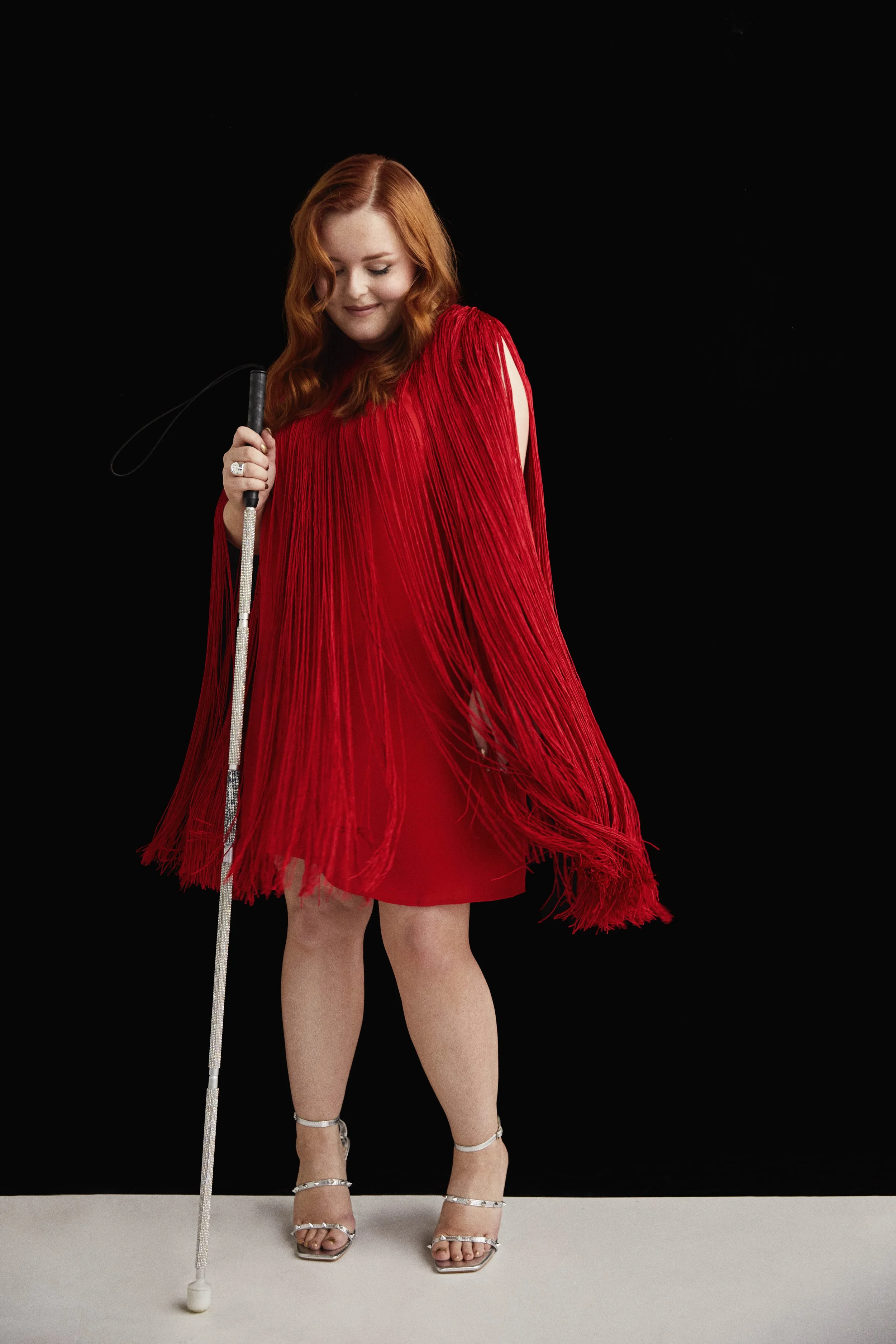
Lucy Edwards is an award-winning broadcaster, journalist, author, content creator, speaker, disability activist and founder of beauty brand Etia.
At 17, Lucy lost her full eyesight to Incontinentia Pigmenti, a rare genetic condition. In the aftermath, she found herself searching desperately for someone who lived, worked, laughed, loved, created and dreamed like her. She couldn’t find that person — so she became her.
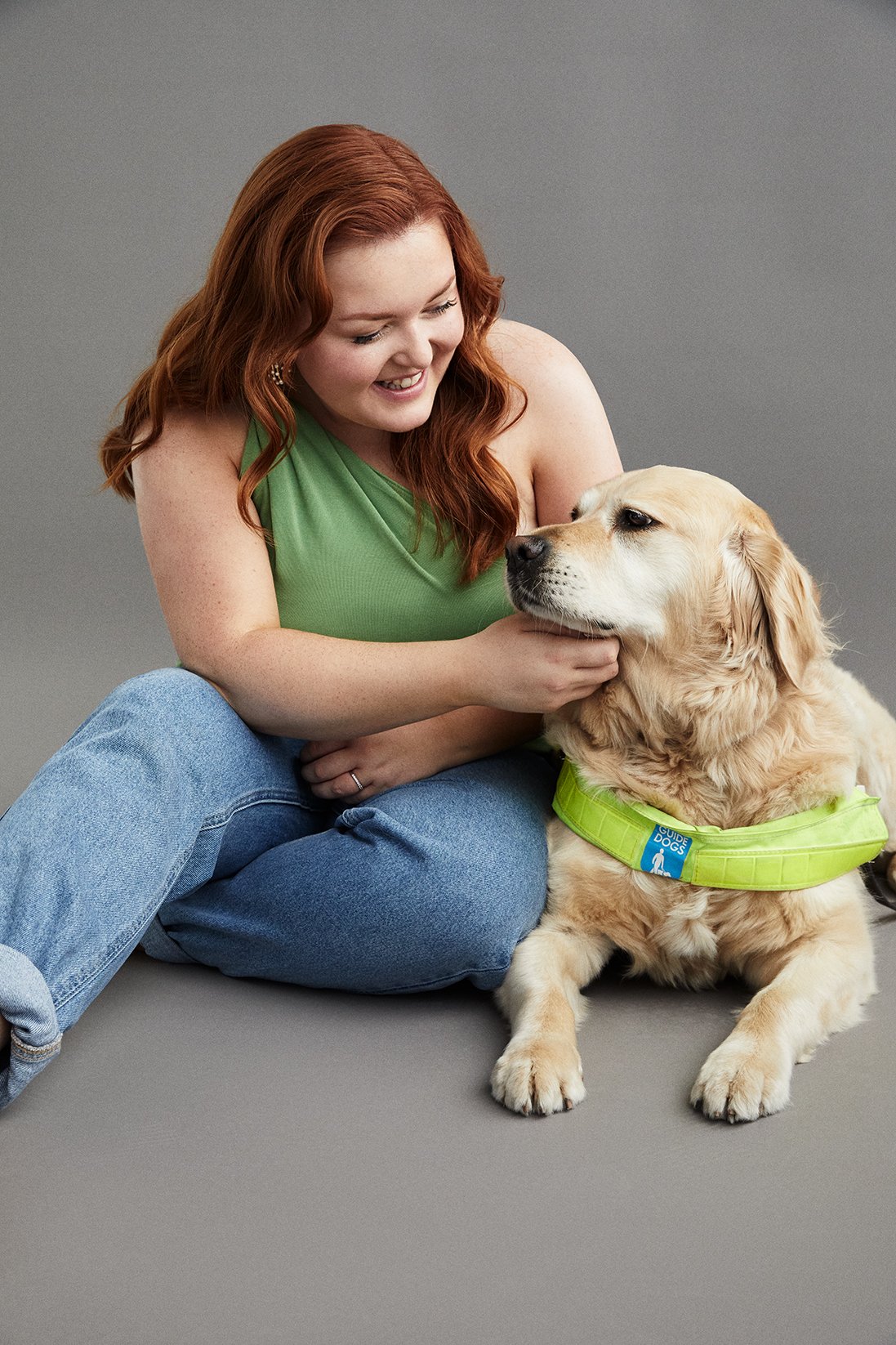
Today, Lucy is one of the most recognisable disabled voices in the world. With a global community of more than 2.8 million people and over one billion views across her content, she has genuinely changed the way millions of people understand blindness. Her work is funny, direct, stylish, curious and deeply human — from everyday videos answering the questions people are often too afraid to ask, to major campaigns, documentaries, books, fashion moments and global brand partnerships.
Lucy’s career began at the BBC in 2017, producing content for Ouch! Disability Talk, BBC Radio 4’s In Touch and BBC News Online. By 2019, she had become the first blind presenter to host several shows on BBC Radio 1. Her presenting work later expanded into BBC documentaries: How Does A Blind Girl Go On Safari? won a Royal Television Society award, and Japan — The Way I See It earned Lucy the RTS Breakthrough Presenter award in 2024.
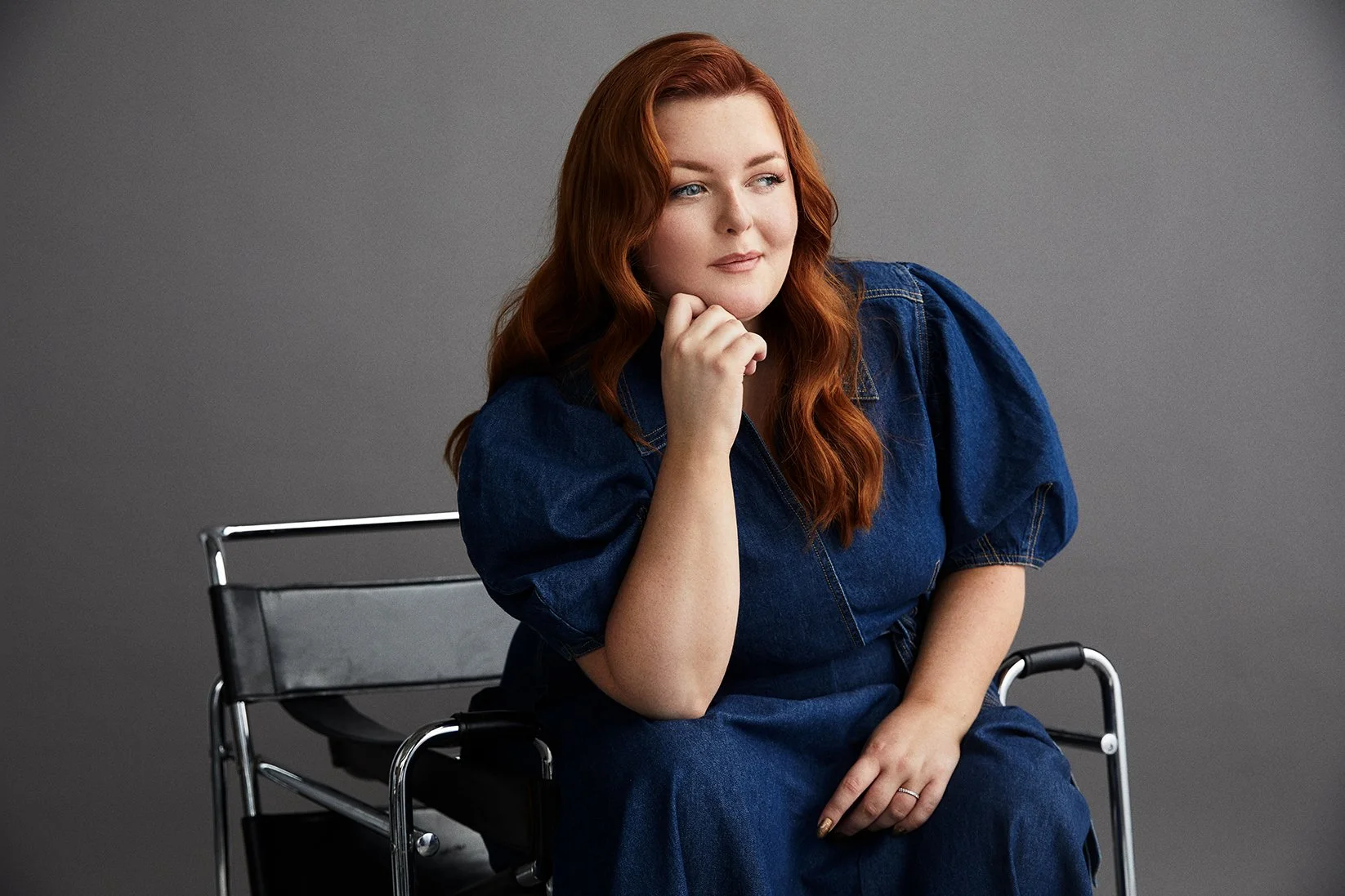
Her voice has since reached some of the world’s most influential stages. In June 2022, she spoke at Brilliant Minds in Stockholm alongside Malala, Alicia Keys and Naomi Campbell. In March 2024, she hosted Apple’s first accessibility panel at SXSW, interviewing Sarah Herrlinger — Apple’s global accessibility lead — about the future of inclusive technology. Then in 2025, Lucy was named in the Forbes Accessibility 100, recognised as one of the leading global figures shaping accessibility, representation and disabled inclusion.
On International Women’s Day 2026, Lucy was invited to Downing Street, where she had a one-to-one conversation with Prime Minister Sir Keir Starmer about IVF and fertility care — advocating directly for disabled parents and their right to equal treatment throughout the IVF process. It was a landmark moment: a disabled woman, at the highest level of government, making the case for the families that policy too often overlooks.
Lucy’s impact stretches well beyond media. In 2024, she became an ambassador for Mattel’s first-ever Blind Barbie — a moment that carried real personal weight. As a young blind girl, Lucy had never seen a doll that reflected her own experience. Developed with accessibility at its centre, the doll featured tactile clothing, accessible packaging and a white and red cane: a small object with an enormous message for a new generation of blind and visually impaired children.
That same year, Lucy made fashion history at Copenhagen Fashion Week, becoming the first blind person to model at the event when she walked for Sinéad O’Dwyer — guide dog Miss Molly by her side. The image later appeared in Vogue, with Molly becoming the first guide dog ever featured in a Vogue runway photograph. It was striking, quietly radical and entirely Lucy: bright red hair, complete ownership of the runway.
In April 2026, YouTube flew Lucy to Los Angeles as the only UK creator chosen to represent the platform at a major creator event, where Kim Larson — YouTube’s Global Managing Director and Head of Creators — introduced her to Oprah Winfrey. They spoke about her work, her audience and the way she uses YouTube to shift the world’s perception of blindness.
Lucy has also built a meaningful long-term relationship with Pantene. She became a brand ambassador and commercial model in October 2021, later fronting the Silky & Glowing and Miracles Colour Gloss campaigns across 2022 and 2023. With her iconic red hair front and centre, she also helped bring NaviLens technology to Pantene packaging — making product information genuinely accessible to blind and partially sighted consumers. By 2024, that relationship had grown: Lucy became a disability partner for Procter & Gamble, advising on inclusive practice, packaging access and universal design.
This same mission sits at the heart of her own beauty brand, Etia. Founded with support from Estée Lauder Companies’ New Incubation Ventures and TikTok’s The Catalysts programme, Etia exists for the 1.3 billion disabled people worldwide who have too often been invisible to the beauty industry. The brand is built around intentional accessibility from the ground up: modular packaging, braille, NaviLens codes, accessible tutorials and product design that considers disabled consumers from the very first sketch. Etia makes the case — compellingly — that beauty can be luxurious, desirable and accessible all at once.
Lucy is also the author of Blind Not Broken, published by Octopus in March 2024. The book shares her story with the same honesty that made her audience fall in love with her online: grief, humour, resilience, lipstick, independence and life after sight loss. In 2025, she released her children’s books Ella Jones Vs The Sun Stealer and Ella Jones Vs The Battle Noise with Scholastic — fast-paced adventures starring a blind heroine, full of courage, danger, friendship and guide dog brilliance. The message, as with everything Lucy does, is clear: blind people are not side characters.
At the heart of all of it is the social model of disability — the belief that people are disabled by inaccessible systems, attitudes and environments, not by their bodies. Her life motto, Blind Not Broken, has become a philosophy, a community and a challenge to anyone who still views disability through pity rather than possibility.
Lucy’s work exists for the girl she once was: newly blind, afraid and unable to find herself anywhere. It also exists for the millions of people who now see her — online, on screen, on stage, in books, in beauty campaigns, on runways and in boardrooms — and understand that blindness can be powerful, fashionable, funny, ambitious, ordinary and extraordinary all at once.
Get in touch with Lucy
Whether it’s speaking, presenting, brand deals, guest appearances or something else click below to contact her team